
Reviewed · WHALE WATCHING IN TAHITI
Whale watching DE Tahiti Peninsula
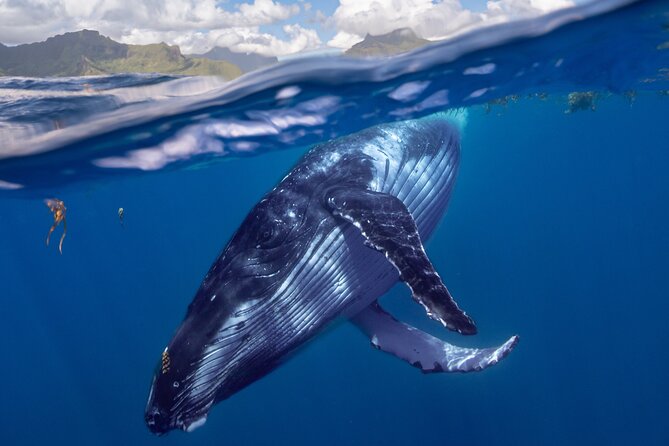
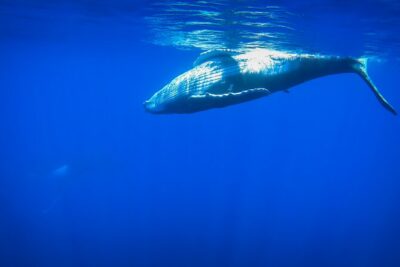
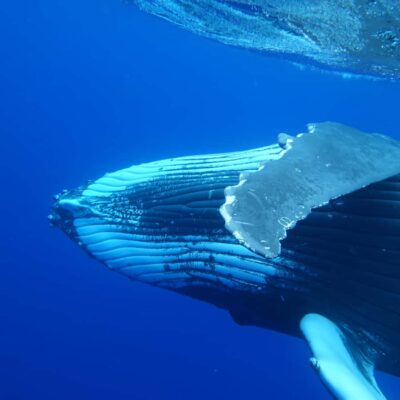
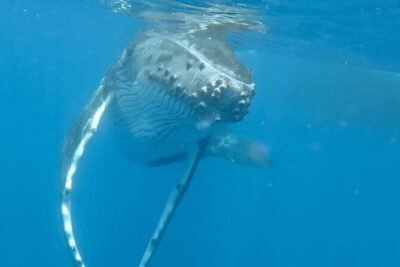
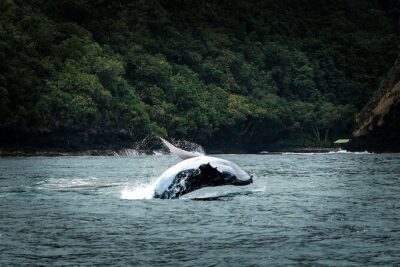
From July to November, humpback whales leave Antarctica for Tahiti’s warm southern Pacific waters to breed, give birth, and raise their young. This four-hour trip takes you along the Tahitian Peninsula, a wilder corner of the island where the goal is not a staged show, but a careful look at animals in their own sea. Whale sightings are never guaranteed, and getting in the water is not automatic.
I like two things right away: the small maximum group of eight, and the crew’s clear concern for both passenger safety and the whales. The local boat is set up for marine wildlife trips, and the crew provides water, snacks, snorkeling gear, and practical explanations as you go. Guide Romuald has also earned praise for being funny, accommodating, and serious about safety.
The main drawback is that this is an ocean outing, not a guaranteed whale encounter. Conditions can cancel the trip, and an in-water meeting requires real swimming ability and comfort around very large wild animals. Children under 12 and adults who do not swim must remain on board.
In This Review
- Key points to know before booking
- Why Tahiti’s whale season matters
- Meeting at Taiarapu-Ouest
- What the three to four hours are like
- Watching whales without rushing them
- The optional in-water encounter
- What is included for the price
- Who will enjoy this trip most
- Weather, cancellations, and timing
- Practical advice for a better outing
- Should you book this Tahiti whale tour?
- FAQ
- When is whale watching allowed on this tour?
- How long does the whale-watching trip last?
- Is swimming with the whales required?
- Can children join the in-water encounter?
- What swimming ability is required?
- What happens if the trip is canceled because of weather?
Key points to know before booking
- Seasonal whale watching: The permitted observation period runs from 20 July to 20 November, subject to approval from DIREN.
- Small group setting: The boat carries no more than eight people, with no more than six swimmers and one guide in the water.
- Three to four hours on the sea: The length gives the crew time to search, observe, explain, and respond to changing conditions.
- In-water encounters are optional: Launching is never required and is not done on every trip, even when whales are present.
- Strong swimming skills are required: You must be able to swim at least 200 meters without assistance and stay calm in open ocean conditions.
- Simple comforts are included: Coffee or tea, bottled water, snacks, snorkeling equipment, safety equipment, and a guide are provided.
Why Tahiti’s whale season matters
Humpback whales make a long annual journey from Antarctic waters to the warmer southern Pacific. Tahiti becomes part of that cycle during the local winter and spring, when whales arrive to breed, give birth, and care for their calves before heading south again toward the end of November.
That timing gives this trip a clear sense of place. You are not simply searching for a large animal in open water. You are visiting during a specific part of the whales’ yearly life, when mothers and young may be in the area and the sea becomes a meeting ground for migrating animals.
The permitted season matters for another reason. Whale watching around French Polynesia follows local rules about when boats may observe and how people may approach marine mammals. The crew works within those rules, and the activity is designed around observation rather than forcing contact.
I appreciate that distinction. A good wildlife outing leaves room for the animal to decide what happens next. You may see a whale from the boat, watch it surface, or have the chance to enter the water under strict conditions. None of those moments is promised, and that uncertainty is part of honest whale watching.
More Whale Watching in Tahiti
- Respectful whale excursion to Tahiti in 4h30
★ 4.5 · 123 reviews - Tahiti island: Whale watching Experience
★ 4.2 · 79 reviews - Guided Small Group Whale Watching and Swim Tour Tahiti
★ 5.0 · 57 reviews
Meeting at Taiarapu-Ouest
The trip begins at the parking area by the landing stage at pensions PK 17 in Taiarapu-Ouest, on Tahiti’s Peninsula. You return to the same meeting point at the end.
Pick-up can be arranged on request, but it is not part of the standard package. I would confirm this before booking if you are staying far from the peninsula or will not have a practical way to reach the meeting point.
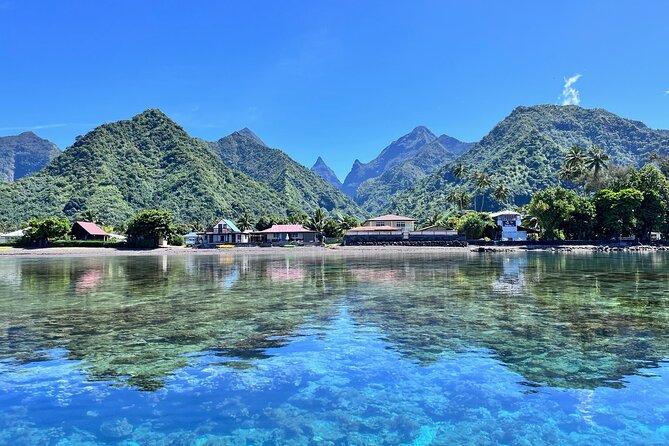
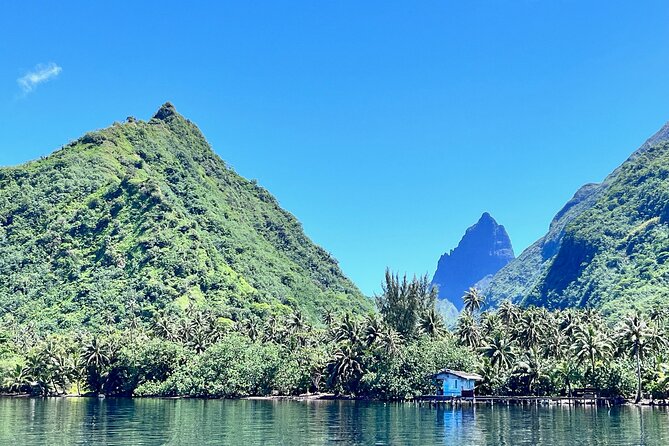
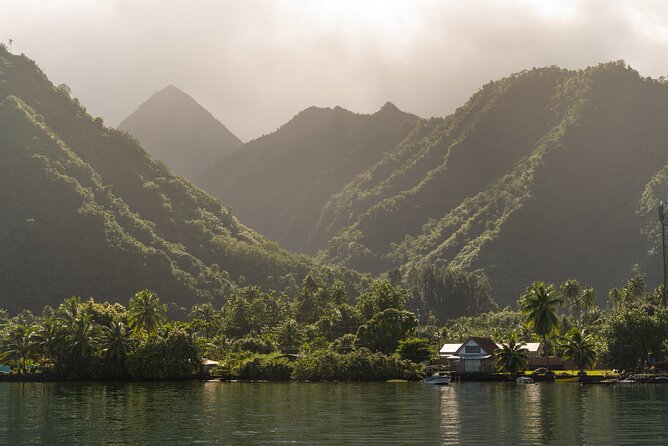
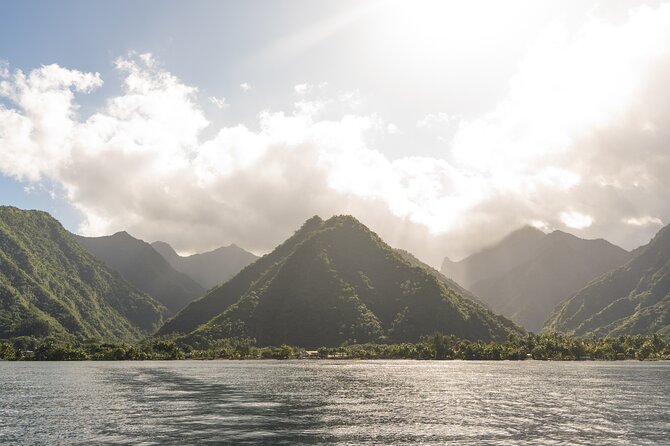
The location puts you on the quieter, more rugged side of Tahiti. The peninsula is known for a lush, wild setting that has seen less mass tourism than the island’s busier areas. That makes the departure feel less like a ride from a large harbor and more like the start of a local sea outing.
Arrive ready for a boat trip, not a polished resort transfer. The supplied information does not promise changing rooms or a full meal, so wear practical swim clothing, bring sun protection, and keep personal belongings to a minimum. Coffee or tea, water, and snacks are included, which should cover the basic needs of a half-day on the water.
What the three to four hours are like
The average outing lasts about three to four hours. That is enough time for the crew to leave the meeting point, search for whales, spend time observing them, and make decisions based on the sea and animal behavior.
The exact order cannot be fixed in advance. The crew and captain must respond to where the whales are, how the weather behaves, and what the animals allow. Some of your time may be spent traveling or waiting quietly, rather than watching constant activity.
That is normal for wildlife trips. Whales are not scheduled performers, and the crew cannot promise a particular number of sightings, breaches, or close approaches. The value lies in having a trained team looking for signs and explaining what you see without pushing the encounter beyond local rules.
The boat is locally built and adapted for this kind of activity. You also receive safety equipment and snorkeling equipment, along with water and snacks. The information does not specify a particular boat layout or indoor cabin, so anyone prone to seasickness should plan carefully and ask the operator about conditions before departure.
The crew includes a professional guide and captain. Romuald is specifically praised for humor, flexibility, and care with safety, making him a useful name to look for when confirming the current guide arrangement. Crew assignments can change, so I would not treat one person’s presence as guaranteed unless the operator confirms it.
Watching whales without rushing them
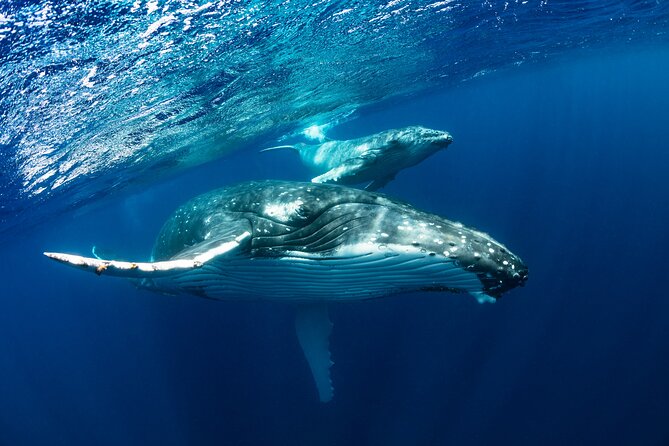
The crew gives explanations about the species you encounter and their way of life. That turns a sighting into more than a quick glimpse of a back or tail. You can better understand why whales are in Tahitian waters at this time of year and why the crew may choose to wait, reposition, or keep a greater distance.
Approach rules are defined by French Polynesia’s regulations. The crew must respect the permitted way to observe and approach marine mammals, and the animals remain in control of the encounter.
This is one of the strongest parts of the experience for me. The crew’s job is not simply to get you close enough for a photograph. It is also to know when not to approach, when to hold position, and when an in-water attempt would be unsuitable.
You should also understand that launching is not systematic. Even if whales are nearby, the captain and guide may decide that staying on the boat is the better choice. Weather, sea conditions, animal behavior, and passenger ability all matter.
A whale may be between 1 and 30 tonnes, according to the safety information supplied for this activity. That figure helps explain the firm rules. You are entering the natural ocean near a powerful wild mammal, not joining a controlled aquarium presentation.
Same lagoon, a completely different day on the water:
- 5 Hours Tahiti Island Tour – West and East Coast
★ 5.0 · 1,020 reviews - Crossing Island of Tahiti 4×4 Mountain, Waterfall, River, Basins
★ 4.5 · 532 reviews - Découvrez le Mana durant la traversée de Tahiti en 4×4 Safari
★ 5.0 · 456 reviews - Moorea Street Food Tour
★ 5.0 · 410 reviews
The optional in-water encounter
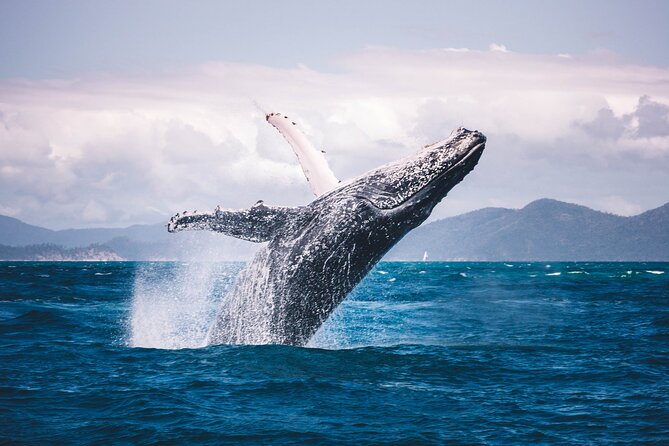
The chance to enter the water is the most demanding part of the outing. It is also the part that requires the clearest expectations.
Only six swimmers and one guide may be in the water at a time. Children under 12 cannot enter the water with whales. Participants aged 12 to under 18 need parental permission, and the crew may decide that a child is safer observing from the boat.
You must be able to swim at least 200 meters without assistance. You also need to feel comfortable in a natural ocean environment, including getting in from a boat, and you must not panic around large marine animals.
Those requirements are not minor suggestions. If you are a weak swimmer, uneasy in open water, or unsure how you will react to a whale nearby, plan to remain on board. You can still take part in the observation portion without attempting the launch.
The crew has the final say in the interest of everyone’s safety. That includes deciding not to launch at all. I see this as a strength, even if it disappoints someone hoping for a guaranteed swim. A responsible guide should be willing to say no.
Bring an honest assessment of your fitness. The activity calls for a moderate physical fitness level, and the sea can be tiring even when the boat ride feels easy. If you have an injury, temporary discomfort, reduced mobility, or another specific need, tell the operator in advance so the welcome and arrangements can be adapted where possible.
What is included for the price
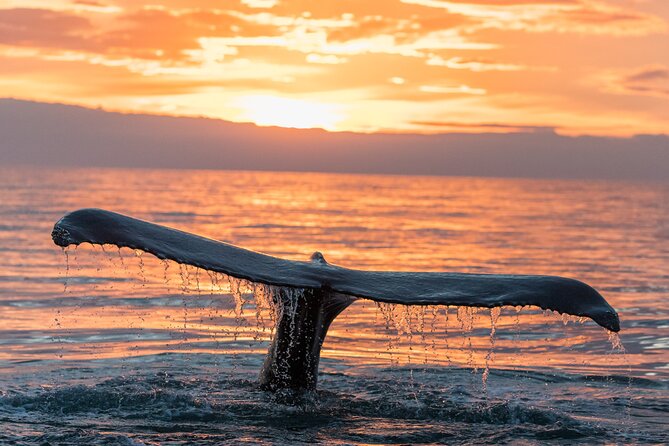
The listed price is $188.27 per person. For a four-hour marine wildlife trip in a very small group, that price has reasonable value, particularly because it includes a guide, captain, safety equipment, snorkeling equipment, drinks, and snacks.
The small group changes the value calculation. With a maximum of eight people, you are not sharing the boat with a large crowd, and the crew can give more direct attention to questions and safety decisions. The water limit of six swimmers plus one guide also keeps the possible encounter controlled.
You are paying for access, local operation, equipment, and several hours of searching in a protected marine setting. You are not paying for a guaranteed whale sighting or a guaranteed swim. If that uncertainty would make the cost feel high, the trip may not suit your style.
Coffee or tea, bottled water, and snacks are useful but modest provisions. Treat them as refreshments, not lunch. The information does not promise a full meal, so plan your food around the outing.
Pick-up is available only on request, which may add planning work and possibly a separate cost. Ask before you book if transport is important to you.
Who will enjoy this trip most
This outing suits you if you care more about a respectful wildlife encounter than a fixed script. It is a good choice for confident swimmers, couples, families with older children, and anyone who wants to see a quieter side of Tahiti from the sea.
It also fits people who prefer a small operation. The eight-person limit should feel more personal than a large boat excursion, and the crew can explain what is happening as conditions change.
Families should pay close attention to the age rules. Children under 12 may participate as observers on board, but they cannot launch with the whales. Older minors need parental permission, and the crew can still keep them on the boat if conditions or behavior make that the safer option.
This is less suitable for anyone seeking certainty. There is no promise of a sighting, close approach, or in-water encounter. It is also not a good match for non-swimmers who expect to enter the sea, though they may take part from the boat.
Weather, cancellations, and timing
The trip requires good weather. If poor weather forces a cancellation, you are offered another date or a full refund. The same applies if the minimum number of participants is not reached, with the choice of another date or experience, or a full refund.
You can cancel for a full refund up to 24 hours before the local start time. Cancellations or changes made inside that window are not refunded or accepted.
The activity is often booked well ahead, with an average booking lead time of 88 days. That suggests you should reserve early if your Tahiti dates are fixed, especially because the whale season is limited and weather can affect departures.
At the same time, do not book the final day of a tightly packed itinerary if missing the trip would cause a problem. A weather cancellation may require a new date, and the experience needs enough flexibility to fit your schedule.
Practical advice for a better outing
Check the meeting point and transport plan before you pay. The start is at PK 17 in Taiarapu-Ouest, and standard pick-up is not included.
Use the supplied equipment, but bring the personal basics that make time on the sea easier: sun protection, a swimsuit, and any medication you need. The included snacks and drinks are helpful, yet they do not replace a meal.
If you want to enter the water, be direct about your swimming ability. The 200-meter requirement is a useful minimum, not a challenge to talk yourself into meeting. You should be calm in open water and comfortable with a boat launch.
Keep your expectations flexible. The most responsible outcome may be a boat-based observation, particularly if conditions are poor or whales do not approach in a suitable way. The crew’s willingness to protect the animals and passengers matters more than forcing a dramatic moment.
Should you book this Tahiti whale tour?
I would book it if you want a small, locally run whale-watching outing and understand that nature sets the schedule. The combination of a four-hour trip, a maximum of eight people, included equipment, and careful rules gives you a fair package for $188.27.
Book with extra confidence if you are a strong swimmer and hope for an optional in-water encounter. Book it as a boat observation trip if you are not a swimmer, are traveling with a child under 12, or simply prefer to watch from a safe distance.
I would skip it only if you need a guaranteed sighting, a guaranteed swim, or included hotel transport. For everyone else, this offers a thoughtful way to meet Tahiti’s seasonal humpbacks without treating them like a scheduled attraction.
FAQ
When is whale watching allowed on this tour?
The permitted observation period runs from 20 July to 20 November, subject to approval from DIREN.
How long does the whale-watching trip last?
The average duration is about three to four hours.
Is swimming with the whales required?
No. Launching is optional and is not systematic. The crew decides if an in-water encounter is suitable.
Can children join the in-water encounter?
Children under 12 cannot launch with the whales. Participants aged 12 to under 18 need parental authorization, and the crew may require them to observe from the boat.
What swimming ability is required?
You must be able to swim at least 200 meters without assistance and feel comfortable in the natural ocean, including getting into the water from the boat.
What happens if the trip is canceled because of weather?
You will be offered another date or a full refund. If the minimum number of participants is not reached, you can also receive another date or experience, or a full refund.
Just added around Tahiti
- Small group snorkeling (5 people max): wrecks & tropical fishes at 3:30pm★ 5.0 · 7 reviews
- Wholesale Fishing in Poti Marara at Tahiti Teahupoo Peninsula★ 5.0 · 4 reviews
- Teahupoo Olympic Wave Journey★ 5.0 · 6 reviews
- Whale Watching Activity★ 5.0 · 8 reviews
- Sunset Cruise in Tahiti★ 4.5 · 6 reviews
- Taxi Boat to Watch the Teahupoo International Surfing Competition★ 4.5 · 13 reviews
- SURF TAHITI Bites & Waves – Surf experience with every bite★ 5.0 · 7 reviews
- Private and Local Sunset Cruise in Tahiti★ 5.0 · 5 reviews
Whale Watching in Tahiti, compared.
Guided Small Group Whale Watching and Swim Tour Tahiti
Read our review →
Whale watching on the preserved and quiet coast of Paea (Pk26)
Read our review →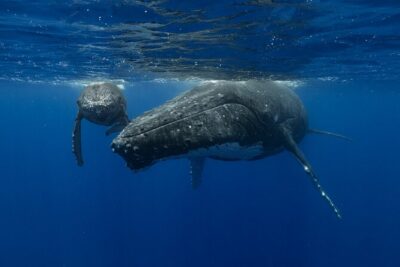
Half Day Whale Watching in a Small Shared Group
Read our review →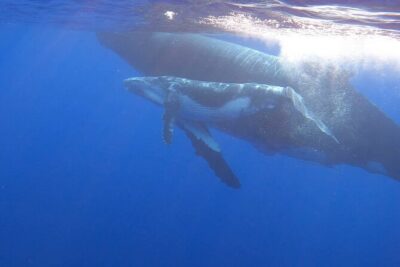
Browse the lists this tour appears in