
Reviewed · WALKING TOURS
Papeete Walking Tour – Tahiti
Papeete’s best stories are often found away from the beach. This private walking tour takes you through the Municipal Market, civic buildings, churches, gardens, and streets tied to Tahiti’s past. Guide Christian adds personal memories from growing up in the city, giving the capital a human face.
I like the mix of history and useful local advice. I also like the small private format, which lets you ask about food, shopping, politics, and daily life instead of listening to a fixed speech. The main drawback is the heat: even with umbrellas and fans, you need water, a hat, sunglasses, and decent walking shoes.
In This Review
- Key points
- Why Papeete Makes Sense on Foot
- Starting at the Tourist Office
- The Municipal Market: Papeete’s Everyday Center
- Mairie de Papeete and the Colonial City
- The Assembly of French Polynesia
- Churches, Gardens, and Extra City Details
- Christian’s Style and What You Learn
- Heat, Pace, and Walking Comfort
- Is $60.73 a Fair Price?
- Who Should Book This Walk?
- Booking and Cancellation Details
- My Recommendation for Papeete
- FAQ
- How long does the Papeete Walking Tour last?
- What is the meeting point?
- Where does the tour end?
- Is the tour private?
- Who guides the tour?
- What places are visited?
- Is admission included?
- What should I bring?
- Can I cancel for a full refund?
Key points
- A local view of Papeete: Christian was born in the city and connects public history with family stories and his own experience.
- The Municipal Market: Spend about 30 minutes in Papeete’s traditional market, a practical stop for seeing local food, crafts, and everyday commerce.
- Civic Tahiti: Visit the Mairie de Papeete and the Assembly of French Polynesia, including its garden when the grounds are open.
- A private two-hour walk: Your group takes part without strangers, making it easier to ask questions and adjust the conversation.
- Comfort in tropical weather: Sun umbrellas and fans are provided, but you should still carry water and wear sun protection.
- Good first-day value: At $60.73 per person, the tour is most useful as an introduction before exploring Tahiti on your own.
Why Papeete Makes Sense on Foot
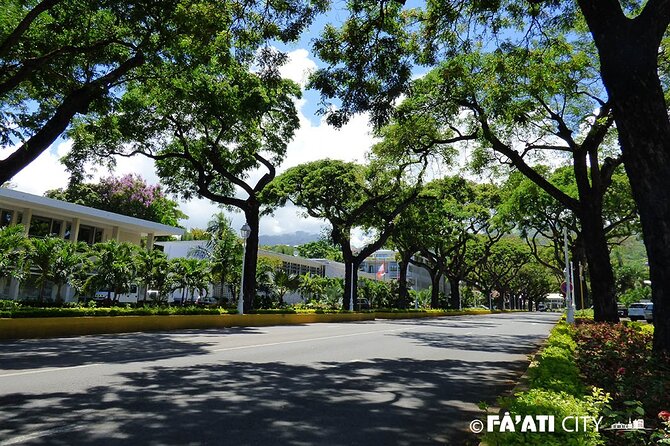
Papeete can be easy to overlook. Many visitors arrive thinking first about lagoons, resorts, and day trips to Moorea. Yet the capital explains much of what you see elsewhere in French Polynesia. Its market, government buildings, churches, architecture, and public spaces show how Polynesian traditions, French rule, royal history, and modern island life fit together.
That is the point of this walk. You are not simply ticking off buildings. You are learning why they matter, how the city changed, and how Tahitians view their own past and present.
The tour lasts about two hours. That is long enough for a useful introduction but short enough to fit before a meal, after a cruise arrival, or at the start of a wider Tahiti stay. I would treat it as a city orientation rather than a full-day sightseeing program.
The group is private, so only your party participates. That matters here because the strongest part of the experience is the conversation. You can ask follow-up questions about politics, customs, food, shopping, or places you plan to visit later.
A few more Tahiti trips to weigh up
- Papeete : walking tour
★ 4.9 · 69 reviews - Shared 2 Hour Papeete Walking Tour
★ 5.0 · 13 reviews - Private 2 Hour Walking Tour in Papeete
★ 5.0 · 8 reviews
Starting at the Tourist Office
The meeting point is the Office du Tourisme, also called Fare Manihini, on the Papeete waterfront at the Front de Mer. It is in the Quartier du Commerce, near the central commercial area.
You need to make your own way there. Hotel pickup, drop-off, and transport between attractions are not included. The tour ends back at the same meeting point, which makes planning simpler if you want to continue into central Papeete afterward.
Give yourself time to locate the office. Parking can be awkward near the meeting area because some streets are pedestrian-only, so driving directly to the door may not be practical. If you arrive by public transport, the meeting point is near public transportation.
Christian is the named guide associated with this experience. His approach is personal and conversational. He grew up in Papeete and has shared family connections to the areas visited, including a grandmother’s seamstress shop and a dress design that became part of local culture. Those details bring scale to the story. Instead of hearing only about rulers and institutions, you also hear how a city is remembered by the people who live there.
The Municipal Market: Papeete’s Everyday Center
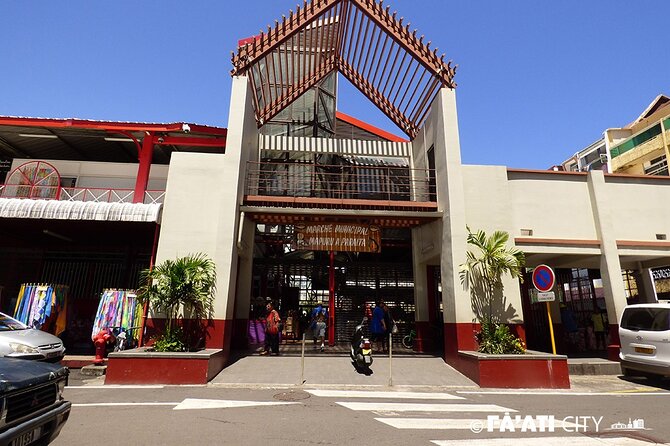
The first major stop is the Municipal Market, with about 30 minutes set aside and no separate admission fee. This is the most immediate way to see Papeete as a working city rather than a resort backdrop.
Markets reward attention. You can look at what is being sold, how people shop, and which parts of daily life remain tied to local customs. Christian can help place what you see in a broader Tahitian setting, so the market becomes more than a quick photo stop.
I like this opening because it gives the walk a practical start. You are close to food, shopping, and ordinary city activity before moving into formal buildings and historical sites. It also gives you a chance to ask for advice about where to eat or shop later.
The market is not presented as a staged cultural show. That is important. You are seeing a public place used by local people, and your guide helps explain the setting without turning every detail into a souvenir story.
The tradeoff is that markets change with the day and operating conditions. The information provided does not promise particular vendors or products, so you should come for the setting and context rather than a guaranteed shopping list.
Mairie de Papeete and the Colonial City
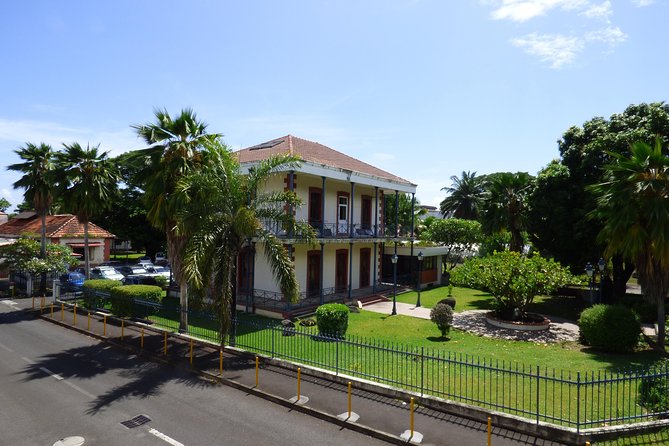
The walk continues to the Mairie de Papeete, the city hall. About 15 minutes are devoted to learning about the building’s colonial architecture and its place in Papeete’s past.
This is a short stop, but it helps you read the city. French Polynesia is not only a tropical destination with Polynesian customs. It is also shaped by French administration, public institutions, and a long colonial relationship. The city hall gives Christian a clear place to explain those layers.
Look closely at the building rather than rushing past it. Architecture can reveal who held power, how public life was organized, and how European influence became part of the capital’s appearance. Christian’s explanations connect the physical structure with the history behind it.
This is also where the tour benefits from a local voice. Formal history can become a list of dates. Personal stories and current observations make it easier to understand how older institutions still relate to life in Papeete today.
You should not expect a long interior visit or a museum-style presentation. The stop is brief, and the focus is on the exterior, architecture, and historical meaning. That makes it accessible for most people who are comfortable walking, but it also means the tour favors interpretation over extensive sightseeing inside buildings.
Same lagoon, a completely different day on the water:
- 5 Hours Tahiti Island Tour – West and East Coast
★ 5.0 · 1,020 reviews - Crossing Island of Tahiti 4×4 Mountain, Waterfall, River, Basins
★ 4.5 · 532 reviews - Découvrez le Mana durant la traversée de Tahiti en 4×4 Safari
★ 5.0 · 456 reviews - Moorea Street Food Tour
★ 5.0 · 410 reviews
The Assembly of French Polynesia
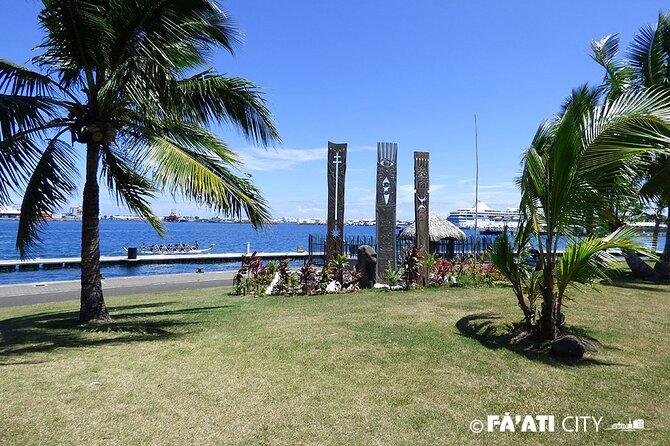
The third named stop is the Assembly of French Polynesia, another short visit of about 15 minutes. This places you near the center of Tahitian political life and on land associated with Queen Pomare IV.
When the site is open, you may be able to access the garden of this local institution. The phrase when it is open matters. Access is not guaranteed, so think of the garden as a possible addition rather than the main reason to book.
This stop adds a useful political layer. You learn that Papeete is not merely a place of colonial buildings and market stalls. It is also the administrative heart of French Polynesia, where questions about government, identity, and the future of the islands remain part of public life.
The connection with Queen Pomare IV gives the grounds added historical weight. A royal association, French administration, and present-day government all meet in one place. That combination helps explain why a short city walk can teach you much about the wider country.
If you are mainly interested in scenery, this may be less exciting than a coastal outing. If you want to understand French Polynesia beyond beaches, it is one of the more useful parts of the route.
Churches, Gardens, and Extra City Details
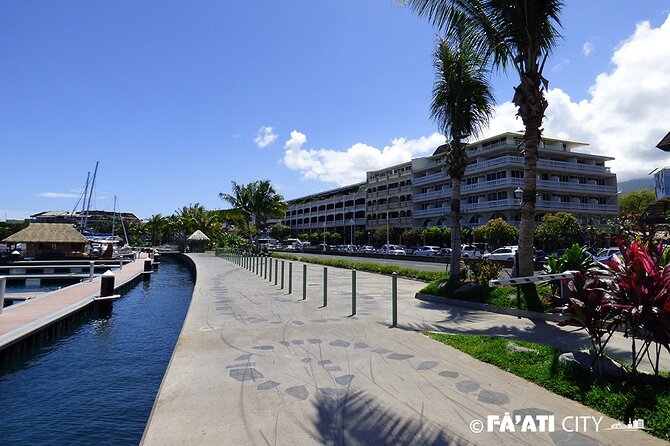
The named stops form the basic structure, but the experience also includes churches, gardens, and other places around central Papeete. The exact sequence can vary with opening conditions and the interests of your group.
One church specifically mentioned in the tour experience is Notre Dame Cathedral. It gives the walk another way to examine outside influence and local adaptation. Christian can place religious buildings alongside political and market sites, helping you see how several traditions share the same urban space.
The gardens offer a needed pause in the heat and a change from stone, roads, and civic buildings. You might also see areas that independent visitors pass without knowing their importance. That is one of the clearest reasons to hire a guide for Papeete: the value is not only in getting from one stop to another, but in knowing what deserves your attention.
The tour can also lead to practical suggestions for eating and shopping. This is especially helpful if Papeete is your base before a beach stay or if you have only limited time in the capital. Write down recommendations during the walk, since the city may look different once you are exploring alone.
Christian’s Style and What You Learn

Christian’s strongest role is as a bridge between public history and lived experience. He explains Papeete’s past, but he also discusses current society, food, customs, local art, politics, and the changes brought by the modern world.
His personal background adds unusual detail. He has spoken about growing up in one of the areas visited and about family connections in the city. He also has an easy rapport with people he meets along the way, which can make the walk feel less like a lecture and more like an introduction to his home city.
I would book this tour if you enjoy asking questions. The private format gives you room to slow down, change the emphasis, or request more information about a subject that catches your interest. The guide has also been described as patient, flexible, and thoughtful about shade and water during warm conditions.
The tone is educational, but it is not limited to old history. You can expect discussion of French influence, Tahitian identity, government, local customs, and how the city has changed over time. That balance is useful because it keeps Papeete from being reduced to either a colonial story or a postcard image.
Do keep expectations realistic. A two-hour walk cannot cover every important place in the capital, and it is not a specialist political seminar or an art tour. Its strength is breadth, personal context, and the chance to get oriented quickly.
Heat, Pace, and Walking Comfort

Tahiti’s climate makes preparation important. Sun umbrellas and fans are provided, and the guide may look for shade or a water stop, but these are aids rather than replacements for basic sun care.
Bring:
- Comfortable walking shoes
- A hat or cap
- A bottle of water
- Sunglasses
The tour requires a moderate level of physical fitness. You should be comfortable walking through central Papeete for roughly two hours, with several stops. No difficult hike is described, but tropical heat can make an ordinary city walk feel more demanding.
Rain is another factor. The experience requires good weather, and poor conditions can lead to a new date or a full refund. Even in generally warm weather, you should keep a little flexibility in your schedule.
The pace appears suited to people who want to stop, listen, and ask questions rather than race from sight to sight. If you need frequent rest breaks, tell the guide at the start. The private format should make that easier, though the tour still involves walking between locations.
Is $60.73 a Fair Price?

The price is $60.73 per person. All activities, taxes, fees, handling charges, and the tour escort are included. You do not pay separate admission for the listed stops.
You do need to cover drinks, transportation to the meeting point, and any food or shopping you choose along the way. Since the route is in central Papeete and begins and ends at the tourist office, the main cost is the guide’s time and local interpretation.
I see the price as fair for a private tour, especially for two people or a small group that plans to ask questions. A larger group can also gain value if several people want the same introduction to Tahitian history and city life.
The value is less about the number of attractions. You could walk past the market, city hall, cathedral, and government buildings without paying for a guide. The advantage is learning how those places connect, hearing personal context, and getting practical advice that can shape the rest of your stay.
If you only want a quick stroll and photos, the price may feel high. If you want to understand Papeete before heading to other islands or a beach resort, the cost buys a useful foundation.
Who Should Book This Walk?
I would recommend it to first-time visitors who want context before spending the rest of their trip by the water. It also suits cruise passengers looking for a structured introduction to the capital, provided the meeting time fits your ship schedule.
History-minded visitors will appreciate the movement from market life to colonial architecture, royal associations, and present government. People interested in current Tahitian society should also find the conversations worthwhile, since the focus reaches beyond the past.
The tour is a good match for couples, families with older children, and small private groups. It is especially useful if you prefer questions and conversation over a large group’s fixed script.
You may want to skip it if you dislike walking in heat, have very limited mobility, or would rather spend your short stay on a beach or water activity. It is also not the right choice if you expect long interior visits, a major museum collection, or transport around the island.
Book it early in your stay if possible. Then you can use Christian’s suggestions for food, shopping, and other places while you are still in Papeete.
Booking and Cancellation Details
The experience requires at least one person per booking, and confirmation is provided at booking. It is a private activity, so only your group participates.
Free cancellation is available up to 24 hours before the start time for a full refund. Changes or cancellations made less than 24 hours before the start are not accepted for a refund. Cutoff times use Tahiti’s local time.
If poor weather cancels the tour, you are offered another date or a full refund. That policy is useful in a tropical destination, where rain can change plans quickly.
My Recommendation for Papeete
I would book this tour if you want your time in Tahiti to include more than scenery. Christian’s local background, family stories, and explanations of history and politics give Papeete a stronger sense of place.
The walk is short, private, and practical. Its best features are the market, the connection between old and new Papeete, and the freedom to ask questions. Just prepare for heat, confirm the weather, and remember that access to the Assembly garden depends on opening conditions.
For $60.73 per person, it is a sensible first look at the capital. You can spend the next day returning to the market, visiting places that caught your interest, or simply enjoying the beach with a better understanding of the island around you.
FAQ
How long does the Papeete Walking Tour last?
The tour lasts approximately two hours.
What is the meeting point?
You meet at the Office du Tourisme, Fare Manihini, on the Front de Mer in Papeete, in the Quartier du Commerce.
Where does the tour end?
The walk ends back at the same tourist office meeting point.
Is the tour private?
Yes. Only your group participates in this private activity.
Who guides the tour?
The named guide is Christian, a local Tahitian guide who was born in Papeete and shares history, current life, and personal family stories.
What places are visited?
The route includes the Municipal Market, Mairie de Papeete, and the Assembly of French Polynesia. It can also include gardens, churches, and other central city sites.
Is admission included?
Yes. All activities, taxes, fees, and handling charges are included. The listed stops have no separate admission charge.
What should I bring?
Bring walking shoes, a hat or cap, a bottle of water, and sunglasses. Sun umbrellas and fans are provided for comfort.
Can I cancel for a full refund?
You can cancel at least 24 hours before the start time for a full refund. Poor weather may result in a different date or a full refund.
Just added around Tahiti
- Small group snorkeling (5 people max): wrecks & tropical fishes at 3:30pm★ 5.0 · 7 reviews
- Wholesale Fishing in Poti Marara at Tahiti Teahupoo Peninsula★ 5.0 · 4 reviews
- Teahupoo Olympic Wave Journey★ 5.0 · 6 reviews
- Whale Watching Activity★ 5.0 · 8 reviews
- Sunset Cruise in Tahiti★ 4.5 · 6 reviews
- Taxi Boat to Watch the Teahupoo International Surfing Competition★ 4.5 · 13 reviews
- SURF TAHITI Bites & Waves – Surf experience with every bite★ 5.0 · 7 reviews
- Private and Local Sunset Cruise in Tahiti★ 5.0 · 5 reviews
Walking Tours, compared.

Aqua Safari Introductory Helmet Dive (Underwater Walk)
Read our review →

Browse the lists this tour appears in